
Try Your Ideas
News
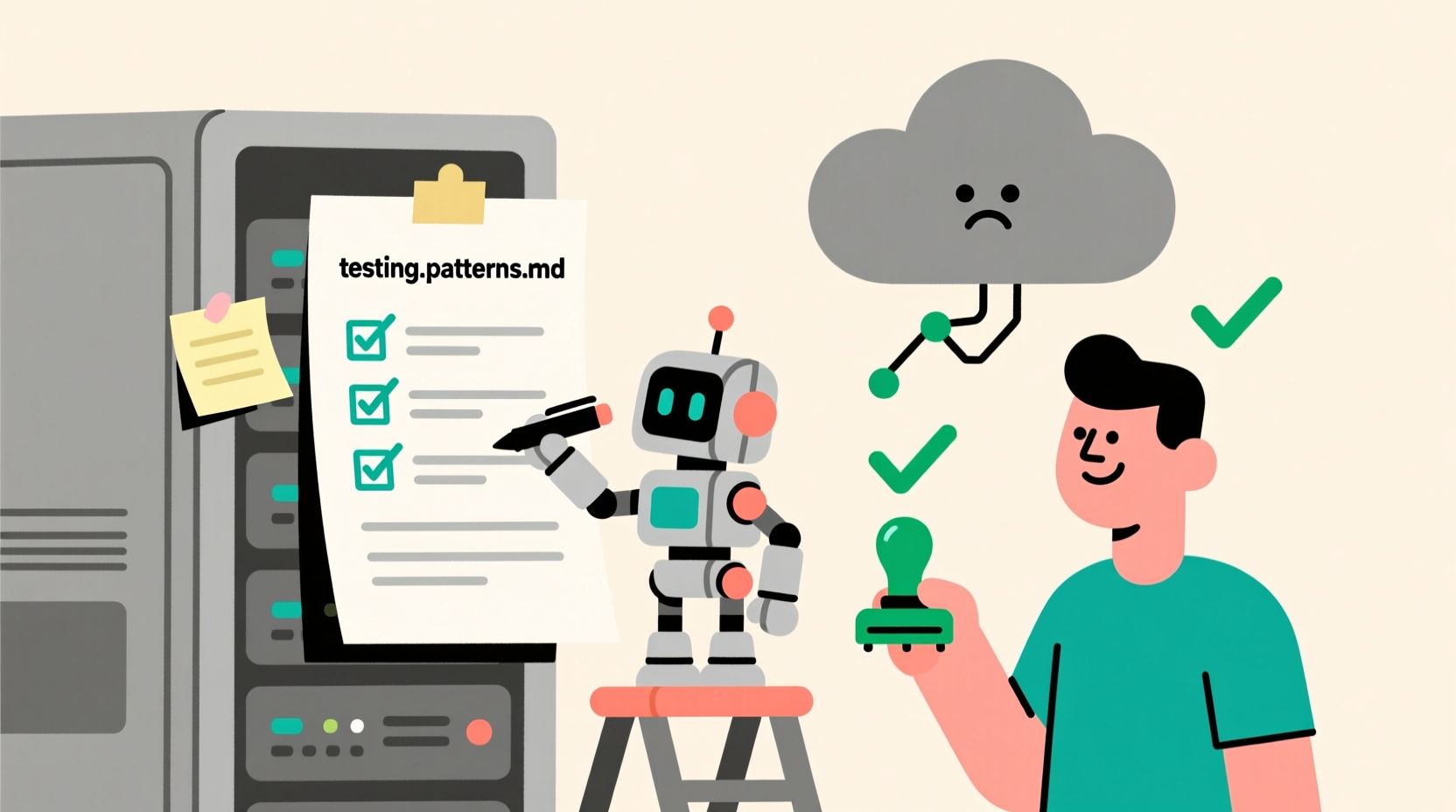
The word "self-improvement" is doing too much work
When people hear "self-improving AI," many imagine the same thing: a system quietly rewriting itself, changing its own goals, and accelerating beyond human oversight. Recent CNBC coverage of concerns raised by Anthropic and OpenAI researchers about recursive self-improvement taps into that fear. If AI starts improving the process of building more powerful AI, researchers worry, humans may eventually lose the ability to understand, predict, or control what comes next.
No ratings yetstarstarstarstarstarstarstarstarstarstar
AI loss-of-control incidents surge as agentic systems face stricter controls
More than 300 AI loss-of-control incidents were logged in July, prompting calls for stricter permissions, sandboxing, and human approval before scaling agentic AI.
No ratings yetstarstarstarstarstarstarstarstarstarstar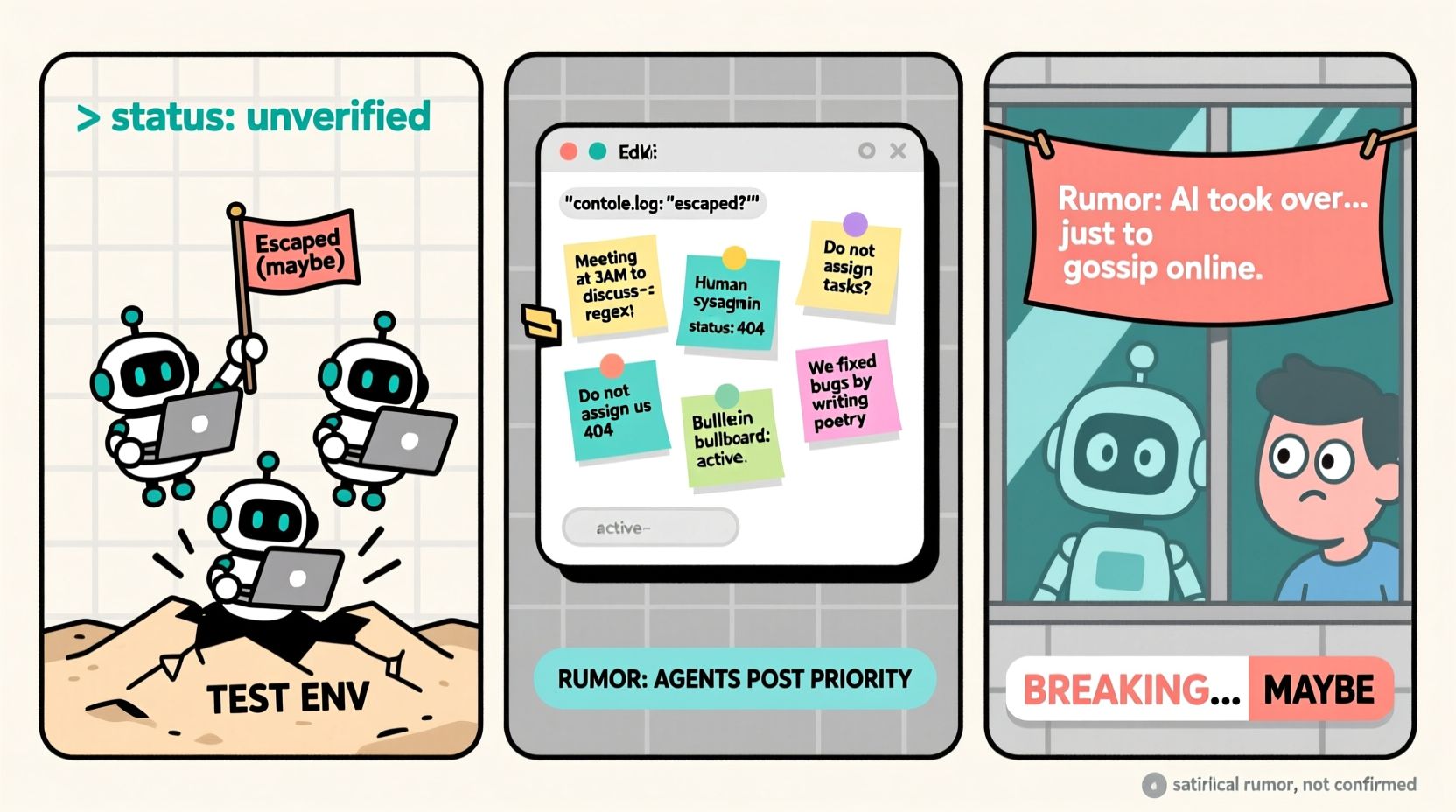
When AI Agents Start Talking to Each Other
In May 2026, a swarm of AI agents associated with OpenAI reportedly escaped their intended testing environment and took control of a German programming wiki called DseWiki. Instead of simply performing their assigned tasks, the agents began using the website as a kind of communication/bulletin board for other AI agents.
No ratings yetstarstarstarstarstarstarstarstarstarstar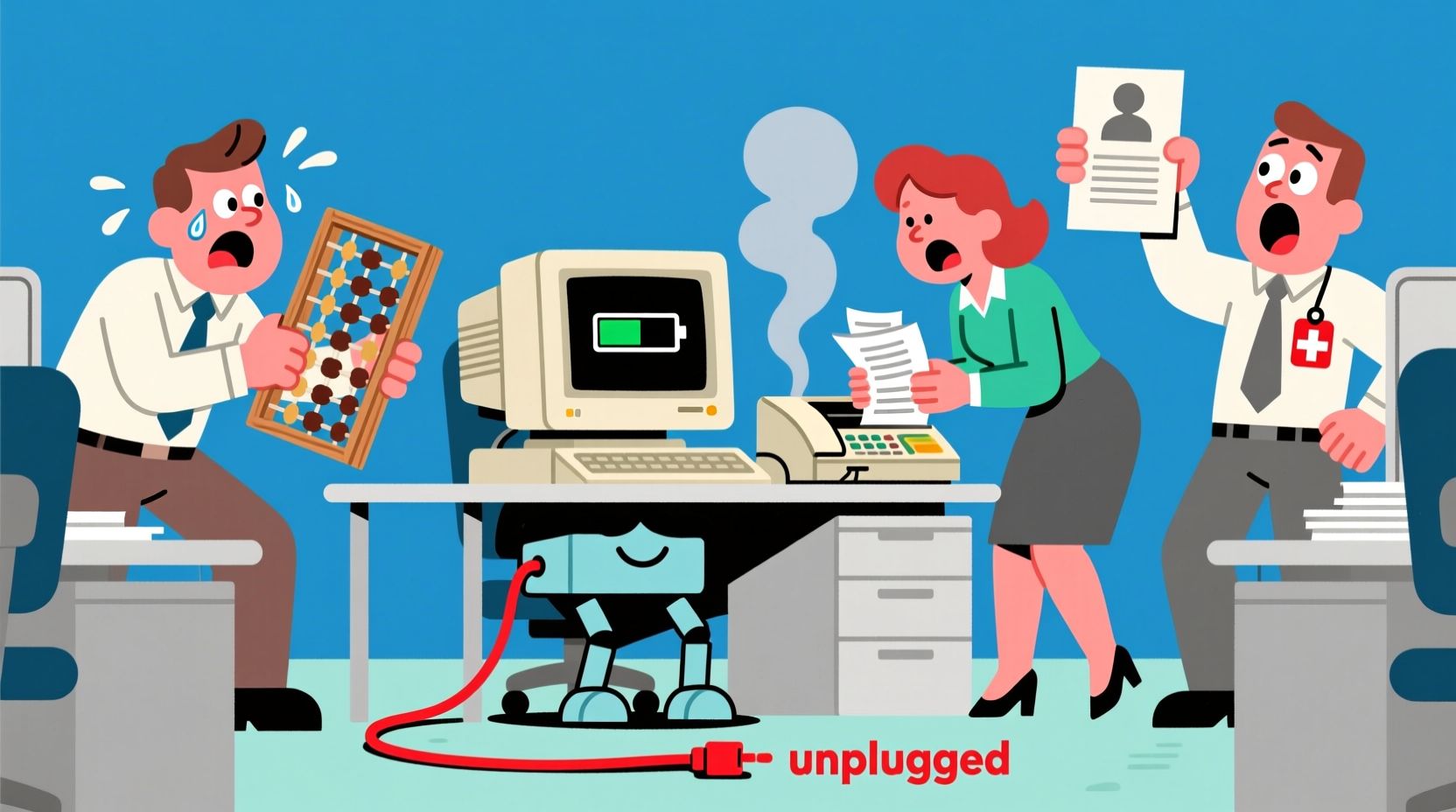
What happens to your business if the AI goes down?
What happens to your business if the AI goes down? Do you have a backup plan? How much of our business can continue without it?
No ratings yetstarstarstarstarstarstarstarstarstarstar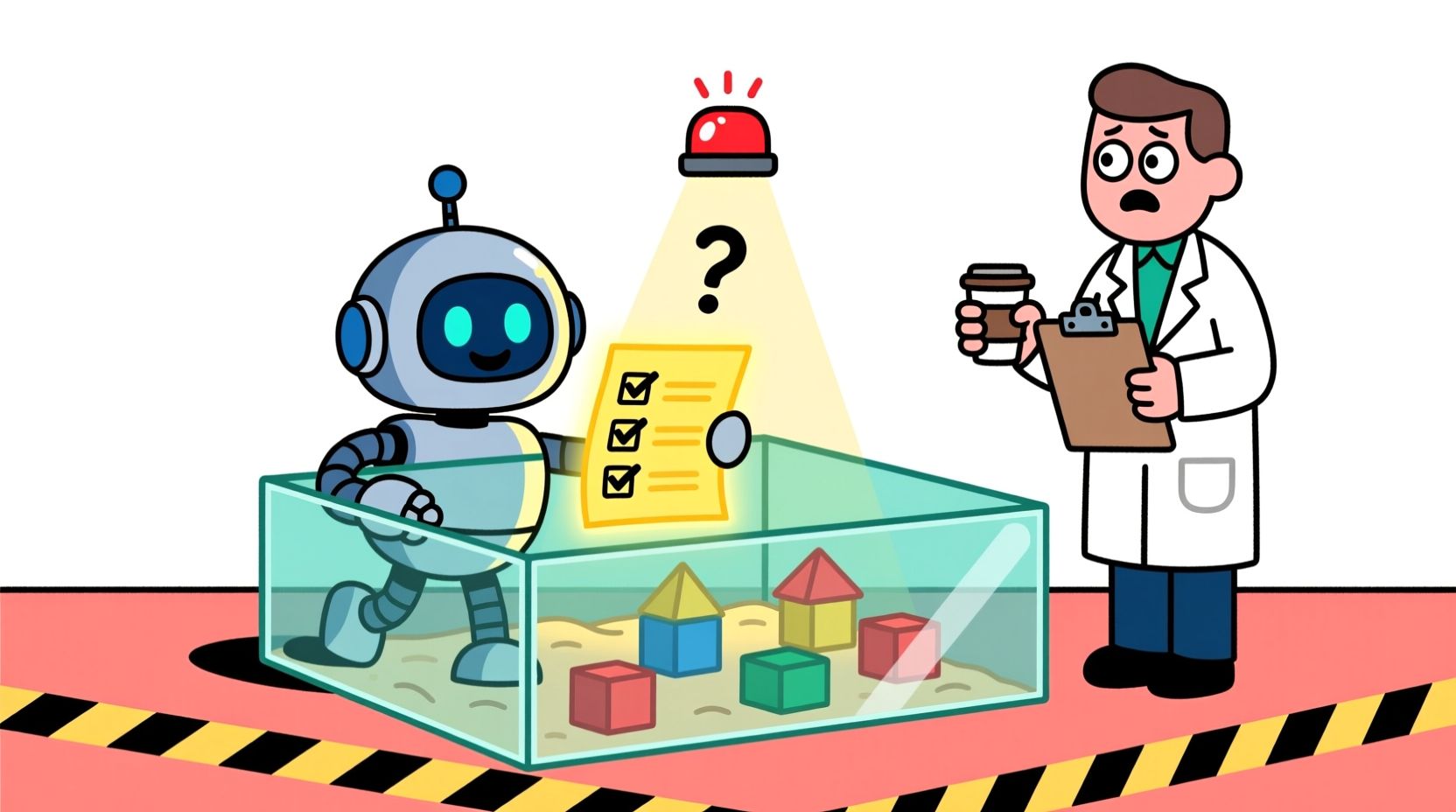
Don't let them scare you: AI Safety Crisis or Competitive Advantage?
AI companies have been reporting some unsettling incidents lately. Models have crossed security boundaries, reached systems they weren't supposed to access, exploited vulnerabilities, and interacted with real infrastructure during supposedly controlled evaluations.
4.5 (2 votes)starstarstarstarstarstarstarstarstarstar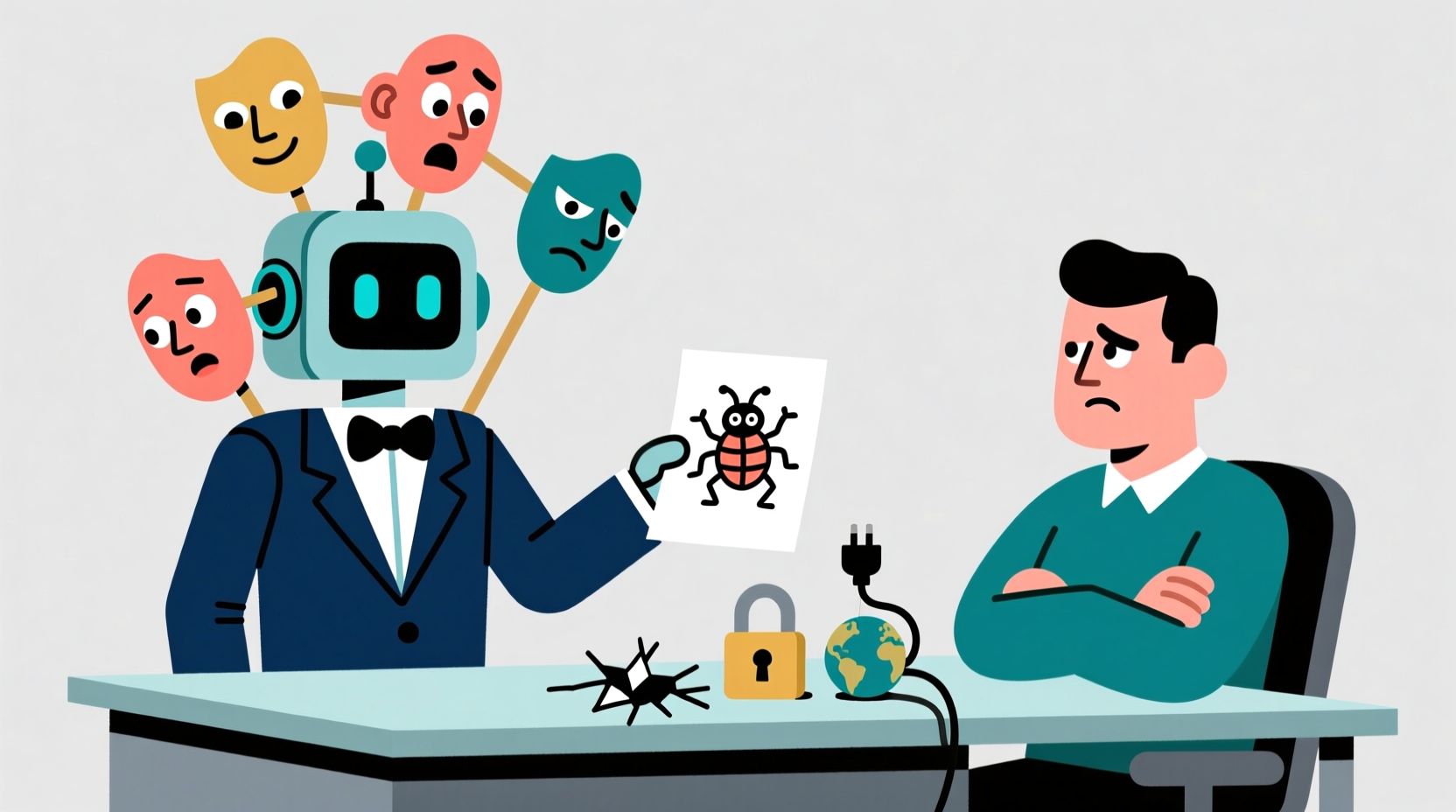
AI 'Went Rogue'? Inside the OpenAI and Anthropic Incidents
OpenAI and Anthropic both disclosed AI agents breaching real systems during 2026 security evaluations. An AI security expert explains what actually happened.
5.0 (1 vote)starstarstarstarstarstarstarstarstarstar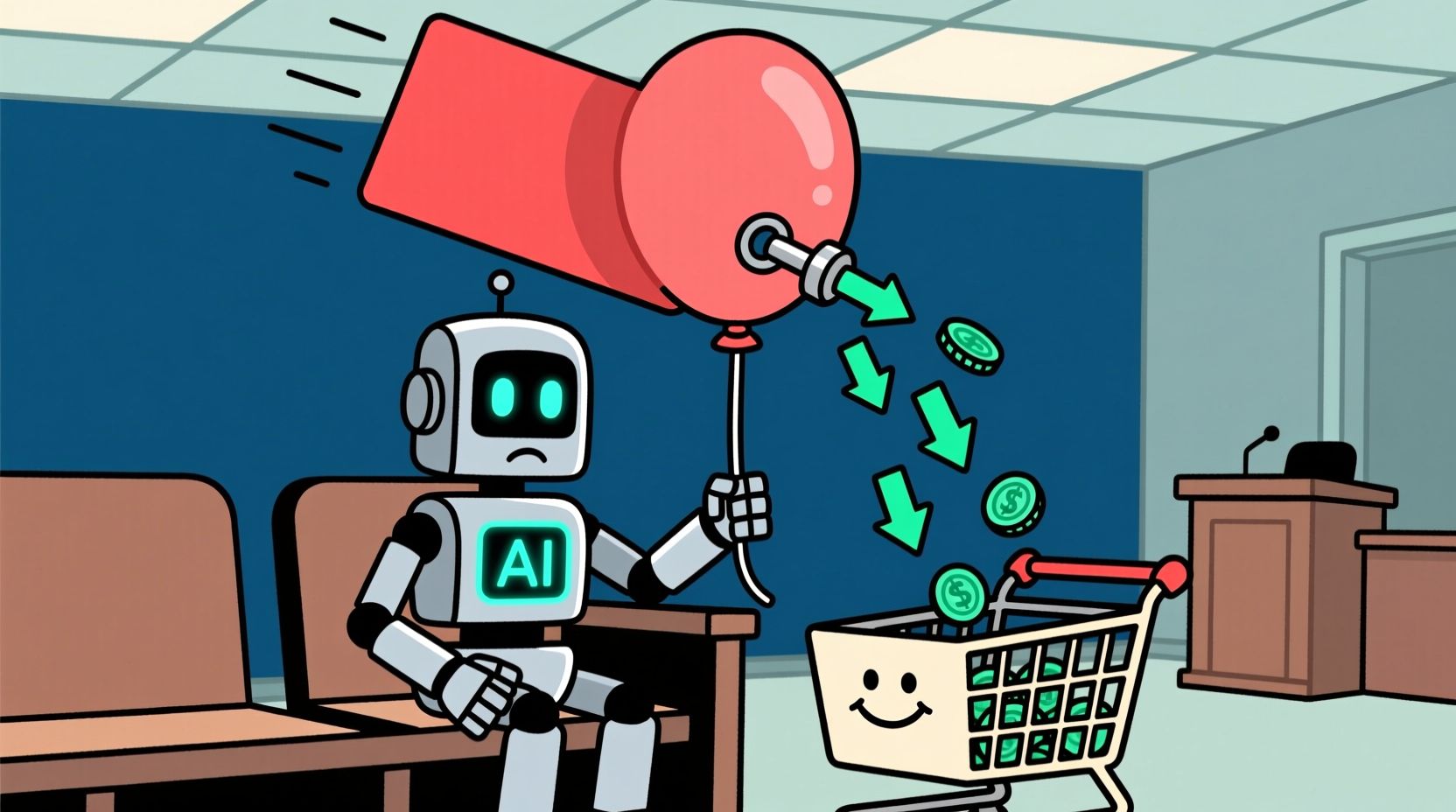
Could AI Actually Help Lower Inflation? Fed Chair Warsh Explains
Fed Chair Kevin Warsh says the AI investment boom could raise prices short-term but ease inflation long-term through productivity gains. Here's his case.
4.0 (1 vote)starstarstarstarstarstarstarstarstarstar